
A Mammogram on Her Birthday Changed Everything. Now, Michele Thomas Is Helping Others Find Their Way
After a routine screening led to a breast cancer diagnosis, the Morehouse School of Medicine (MSM) employee found strength in her faith, learned to advocate for her health and discovered how sharing her story could help others navigate their own.
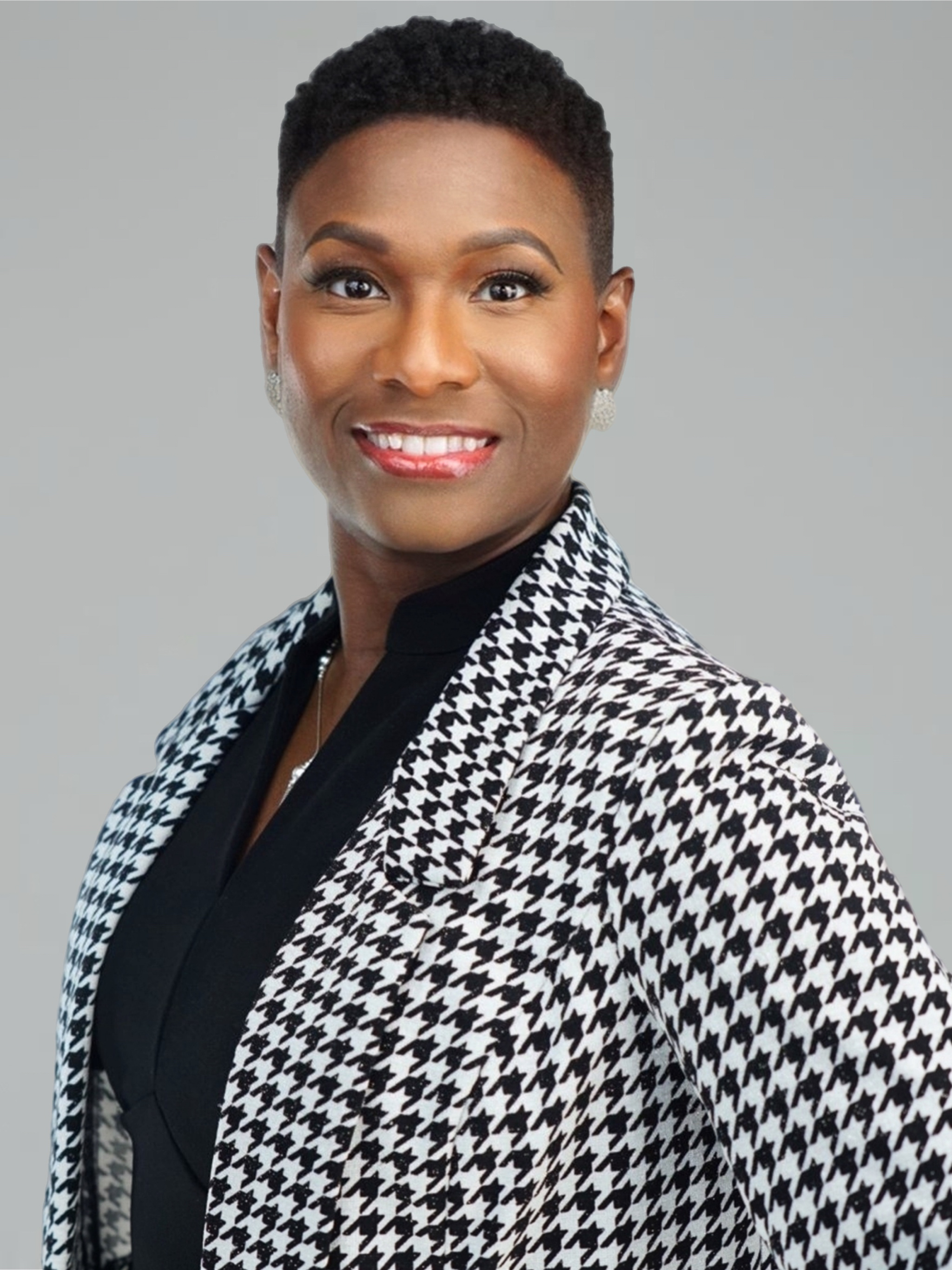 Michele Thomas had a birthday tradition: She took the week off work and made time
for herself and the people she loved. On Sept. 12, 2025, her 56th birthday, that meant
starting the day with a routine mammogram. She felt fine and had no symptoms, so there
was little reason to think the appointment would be anything other than another item
checked off her health care to-do list.
Thomas had been especially diligent about breast cancer screenings because her mother was a two-time breast cancer survivor, diagnosed at ages 60 and 65. Thomas began getting annual mammograms at 40 and even participated in a BRCA gene study in 2016. The results showed she did not carry the gene variant tested for in the study. Still, she understood the importance of staying vigilant given her family history.
After her mammogram, Thomas celebrated her birthday with breakfast alongside her mother and brother. The following Monday, as she drove to a birthday brunch hosted by friends, she received a call asking her to return for additional imaging. She told the caller she was on her way to brunch and would call back to schedule the appointment.
The request caught her attention. In all her years of getting mammograms, she had never been called back for additional testing. But she wanted to be present for the celebration her friends had planned, so she set her concerns aside as best she could.
During brunch, Thomas decided to tell her friends what had happened. As they gathered around her, they prayed.
Their response brought her comfort. On the drive home to Covington, GA, she continued to reflect on what might come next, ultimately deciding to place the situation in God’s hands.
“Whatever your will, it will be done,” she remembers thinking.
Thomas scheduled the follow-up appointment and returned that Friday. Additional imaging revealed an area of concern, and a biopsy was scheduled for the following week. The procedure was painful and emotional, she said, and she needed a break as the medical team collected samples. Her mother was with her throughout the appointment.
The next day, Thomas received a call from her primary care physician’s office asking her to come in. She knew the request could mean difficult news, so she asked for a little time to collect her thoughts and scheduled an appointment for the following morning.
Before that appointment, she checked her patient portal, MyChart, and saw the words “breast cancer.”
“When I saw breast cancer, everything went black,” Thomas said.
The diagnosis was ductal carcinoma in situ, or DCIS, a noninvasive form of breast cancer in which abnormal cells are found in the lining of a milk duct. Her diagnosis was stage 0, an early finding that would require further evaluation to determine the best course of treatment.
Thomas had spent years accompanying her mother through cancer treatment, but now she was facing the experience as a patient herself. She needed to understand what the diagnosis meant and what decisions lay ahead.
She turned to ChatGPT to help translate the medical terminology into plain language and prepare questions for her doctor. She asked it to explain the diagnosis as if she were 4 years old, then help her identify questions and possible treatment options to discuss with her care team.
She spent much of that day processing the news privately before calling her mother that evening. Her mother was ready to accompany her to the doctor’s appointment the next morning.
When Thomas arrived with her questions prepared, her primary care physician recognized that she had already done her research. Together, they reviewed the questions before discussing the next steps, including a referral to a breast oncologist.
Thomas continued to gather information as she met with specialists and underwent additional testing. She brought copies of her previous mammograms and made sure her doctors had the information they needed to evaluate her case. Her approach was deliberate: She wanted to understand her diagnosis, explore her options and feel confident in the decisions she made.
An MRI confirmed the initial DCIS finding but also revealed another area of concern. Further imaging and consultations raised the possibility of triple-negative breast cancer, which can require a different treatment approach. Because doctors were concerned about the possibility of cancer in more than one area of the breast, the conversation shifted from potentially removing the affected area while preserving the breast to considering a mastectomy.
The possibility of a more aggressive diagnosis brought another layer of uncertainty. Thomas met with specialists to discuss treatment options, including whether chemotherapy might be needed before surgery. She had to weigh the information available at the time against the possibility that additional testing after surgery could change the treatment plan.
Her decision was also shaped by her health history. Thomas has lupus, which meant her doctors needed to consider how the length of surgery and time under anesthesia could affect her. Although she had considered having both breasts removed because of her family history and the possibility of facing cancer again, she ultimately chose a single mastectomy with reconstruction and continued screening of her remaining breast.
The surgery took place in December 2025. It was the first surgery of Thomas’ life, and she was not comfortable with the plan to send her home immediately afterward. She lived in Covington, roughly 45 minutes to an hour from the hospital in Midtown Atlanta, and worried about what might happen if she experienced a complication after returning home.
She spoke up and asked to stay overnight for observation. Her care team listened, and she spent the night in the hospital before beginning her recovery. She was away from work for six weeks.
For Thomas, that moment reinforced an important lesson about navigating health care: Patients have a role in their own care, and they should feel empowered to speak up when something does not feel right.
“You have to be able to advocate for yourself,” she said.
She approached the rest of her care with the same attention to detail. Thomas took notes, recorded conversations with her doctors so she could revisit the information later and brought her mother to appointments. She wanted to make sure she understood the risks, benefits and implications of each decision rather than trying to remember everything while processing difficult news.
Her faith helped her remain grounded when the medical uncertainty became overwhelming. During one appointment, as several doctors reviewed her scans and discussed their differing interpretations, Thomas found herself lying on the examination table, watching the light above her and feeling increasingly nervous.
She began reciting the Lord’s Prayer. The familiar words helped calm her, giving her a sense of peace as she waited to hear what the doctors would recommend.
“It was my faith,” she said. “It was my faith.”
Her mother remained a constant source of support throughout the process, accompanying her to appointments and helping her navigate the difficult decisions. Family, longtime high school friends, her partner and colleagues at Morehouse School of Medicine also helped carry her through recovery. Friends checked on her, brought food and organized prayer groups. She also found support through people at MSM who reassured her that they had her back.
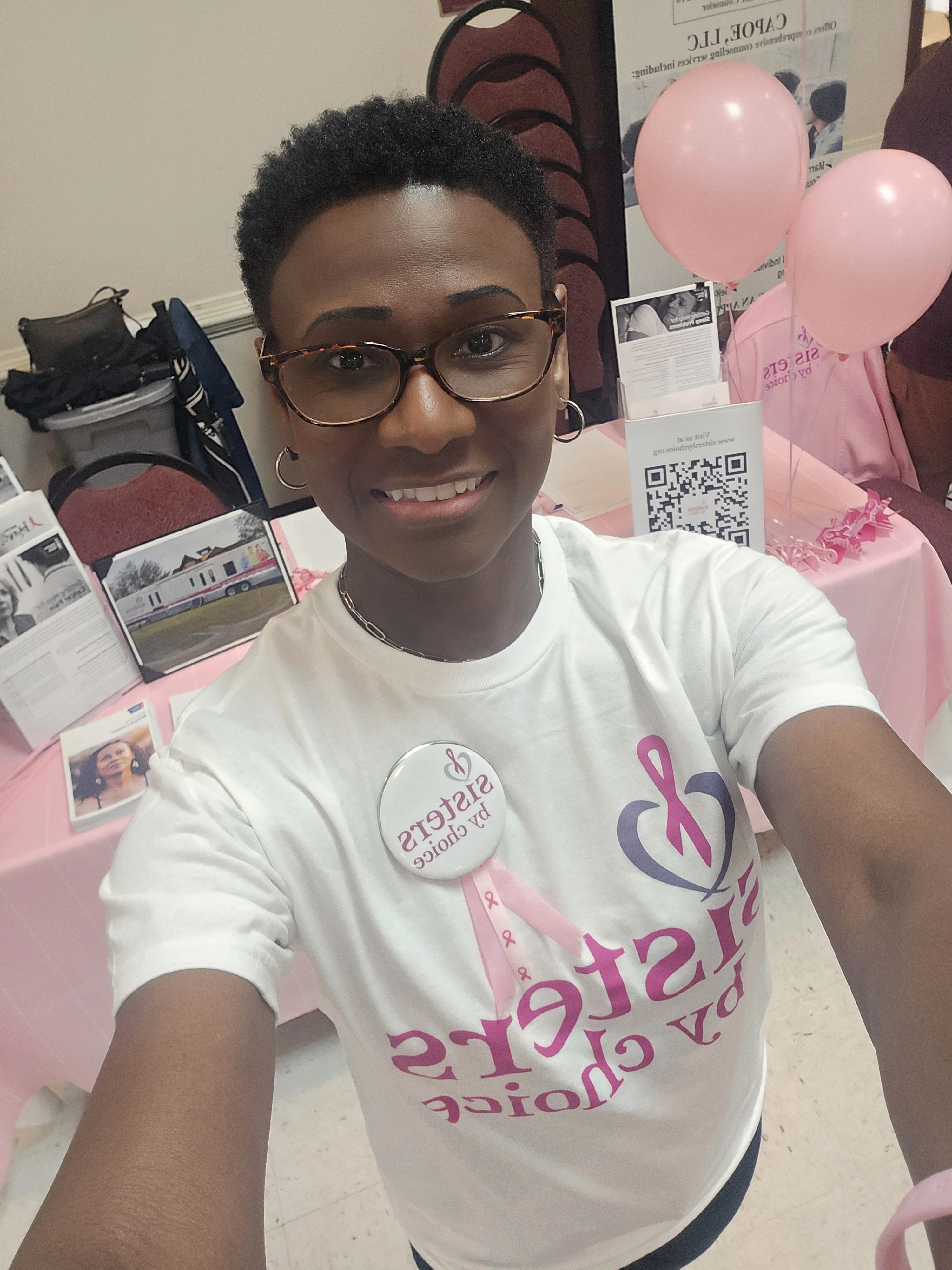
The experience strengthened some relationships and changed her understanding of others. Thomas said she was disappointed by a few people she expected would be there for her, but she also reconnected with high school friends who showed up in meaningful ways. Their support continues beyond her recovery.
She also had to adjust to changes in her body and self-esteem following surgery and reconstruction. Having a strong support system helped her navigate those personal challenges, including the ways her diagnosis and treatment affected her relationship with her partner.
Through it all, Thomas remained focused on her recovery and the information she needed to make informed decisions. When she returned to her breast oncologist in January 2026, she received the news she had been hoping for: She was cancer-free. The additional area of concern was not triple-negative breast cancer, and she did not need chemotherapy or radiation.
The outcome brought relief after months of appointments, testing and uncertainty. Although she had undergone a mastectomy and reconstruction, Thomas was grateful to be moving forward without additional cancer treatment.
She returned to annual screening, too. After sharing her story in a video for the MSM community, she began hearing from people who said her experience had encouraged them to schedule their own mammograms. The response was especially meaningful because she knew that sharing her story could help someone else take that first step.
Thomas said the convenience of having screening opportunities on campus also helped encourage people to make appointments. After the video was shared, she heard from people who had decided to get screened because of her experience. She later had another mammogram herself and said she remained cancer-free.
For Thomas, that response is one reason she continues to speak openly about what happened. She knows that not everyone has the same support system or feels comfortable discussing a diagnosis. Someone navigating cancer alone may not know what questions to ask, which resources are available or how to process the information coming from a medical team.
She hopes her willingness to talk about the difficult parts of her experience, including mastectomy and reconstruction, can help others feel less isolated and better prepared to make decisions about their own care.
That support has already reached beyond her immediate circle. Thomas recently helped a woman who had been diagnosed with breast cancer after connecting with her through a former classmate. The woman was trying to process the news and prepare for surgery, and Thomas spent time talking with her, giving her space to express her fears and sharing what she had learned through her own experience. She continues to check in as the woman’s surgery approaches.
Thomas understands that no two diagnoses or treatment journeys are exactly alike. She does not assume that what worked for her will be the right choice for someone else. Instead, she wants people facing a diagnosis to know that they can ask questions, seek support and take the time they need to understand their options.
Her advice is straightforward: Do your research, talk with your doctors and advocate for yourself. Bring someone you trust to appointments when possible, take notes and give yourself time to process the news. If you have access to a support group or therapist, allow yourself to lean on those resources. Thomas has also made her own mental health a priority, setting aside regular time to rest and keeping up with her appointments.
She also wants people to understand that while a diagnosis can be frightening, avoiding it will not make it go away.
“Is it scary? Yes,” she said. “But ignoring it, what is that going to do?”
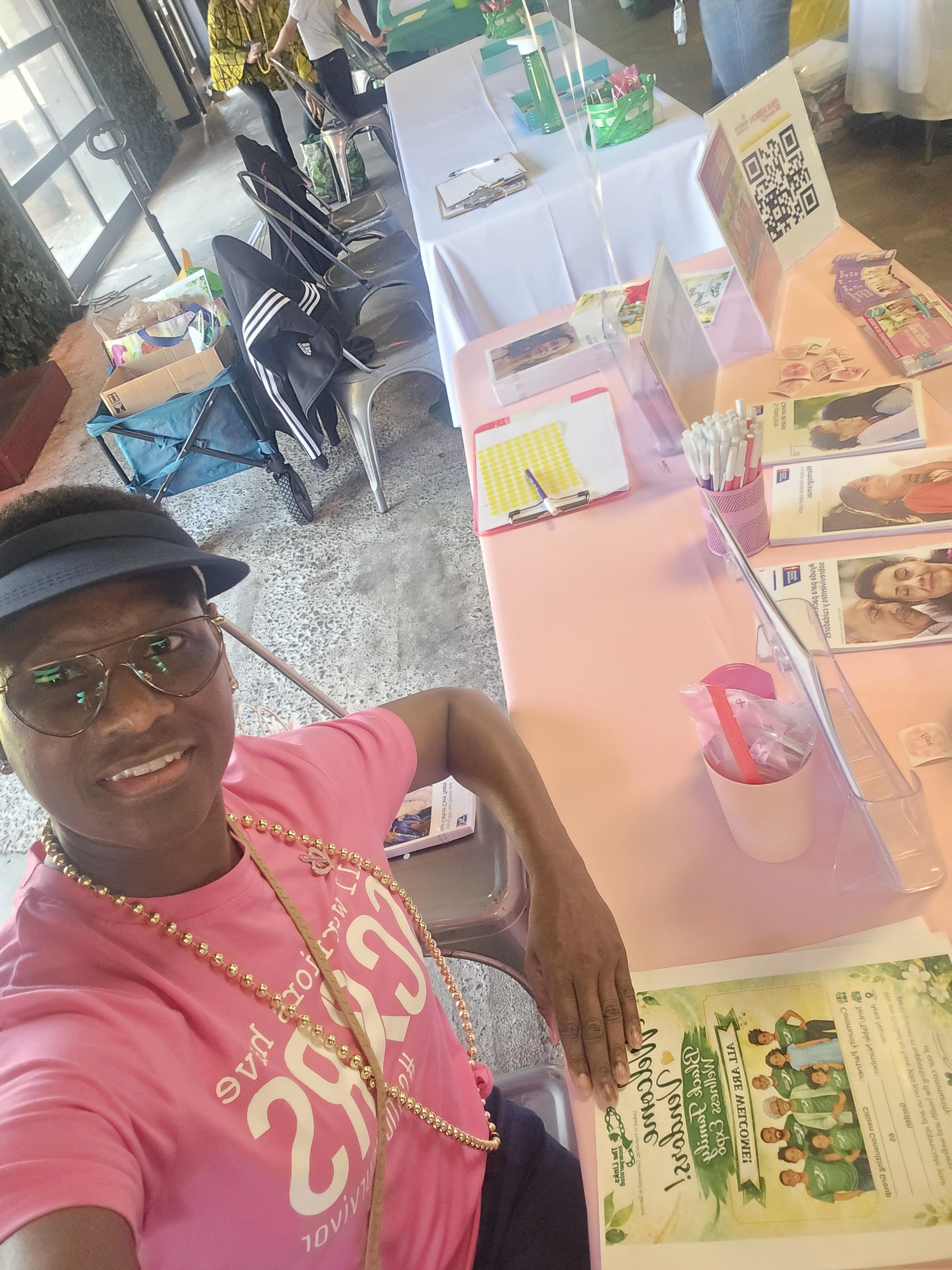
Today, Thomas continues to prioritize her health and encourages others to do the same. She knows that screening cannot prevent every diagnosis, and she does not take her own experience as a guarantee that someone else’s journey will follow the same path. But she believes people should have the chance to find a concern early, ask questions and make informed decisions about their care.
During Breast Cancer Awareness Month, her story is a reminder that the path through a diagnosis can involve fear, difficult choices and unexpected challenges. It can also reveal the power of faith, the value of a dependable support system and the difference one person’s willingness to share can make.
Thomas did not expect a birthday mammogram to change her life. Now, she is choosing to share what happened next so that someone else facing a frightening phone call, an unfamiliar diagnosis or an uncertain future may feel a little less alone.
About the Author
Michael Martin is a digital communications specialist who believes in crafting compelling stories that inspire and connect. With a pen for storytelling, he brings the journeys of students, faculty and staff to life, highlighting their impact and dedication to healthcare.
Contact
Michael Martin
Digital Communications Specialist
Office of Marketing & Communications
mamartin@msm.edu