
From Norfolk to the Emergency Room, Domonique White Pursues Purpose Through Medicine
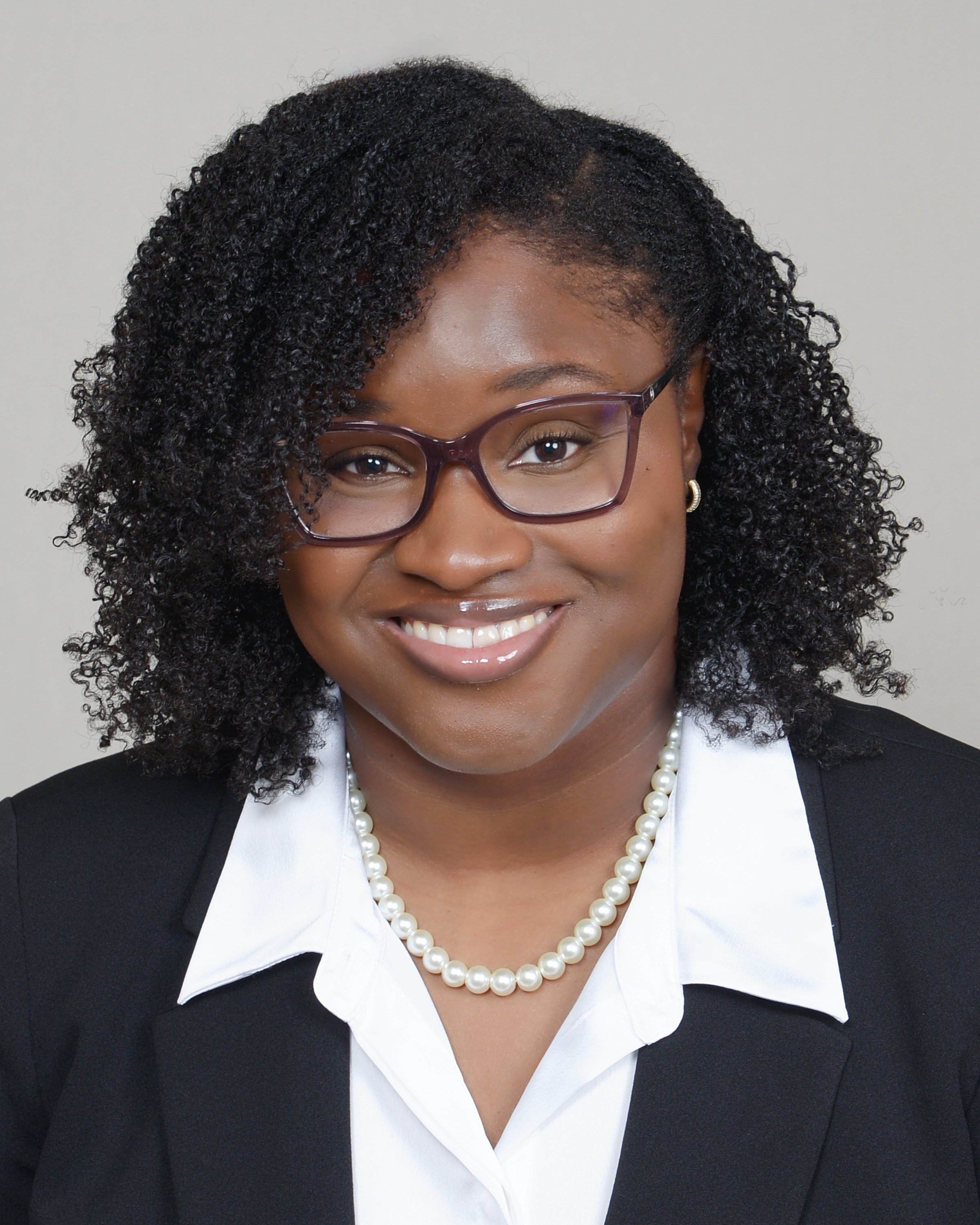 As Match Day approaches on March 20, Domonique White reflects on a journey defined
by faith, perseverance and an unwavering commitment to serving her community.
As Match Day approaches on March 20, Domonique White reflects on a journey defined
by faith, perseverance and an unwavering commitment to serving her community.
Originally from Norfolk, Virginia, White’s path to medicine has been both intentional and deeply personal. After earning her master’s degree in the Master of Science in Medical Sciences program at Morehouse School of Medicine in 2018, she matriculated into the MD program in 2020. Now, she prepares to match into emergency medicine — a specialty she chose long before beginning medical school.
“I’ve always known I wanted to do emergency medicine,” she says. “As a medical scribe, I saw the impact emergency physicians could have. You treat acute conditions, manage chronic illnesses, perform procedures, and, in many ways, provide primary care. I knew I could see myself there.”
Her time as a scribe also revealed something else — a lack of representation.
“I remember only one Black emergency medicine physician, and he worked nights,” she recalls. “We need more Black emergency medicine physicians. I want to be part of that change.”
That desire to increase representation and provide equitable care aligned seamlessly with the mission-driven culture she found at Morehouse School of Medicine. Having already experienced the supportive environment of the MSMS program, White knew she wanted to continue her training in a place where faculty and students uplifted one another.
“It felt like family,” she says. “It wasn’t competitive. Everyone genuinely wanted to see you succeed.”
She was also intentional about being trained by physicians who looked like her and understood her lived experiences. In a profession where Black physicians make up a small percentage of the workforce, that representation mattered.
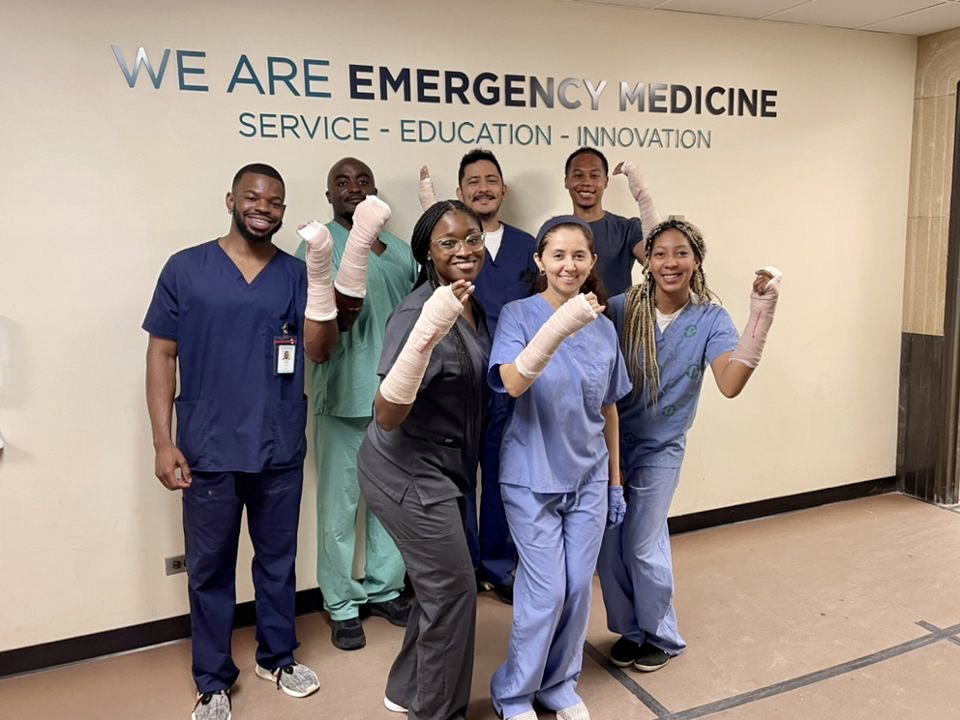
“When you get out into the world, you won’t always have that,” she explains. “I wanted to be taught by people who could relate to my background and lead with compassion.”
Throughout medical school, White’s commitment to equitable care deepened. Training in Atlanta exposed her to patients experiencing homelessness, limited access to primary care and systemic barriers to follow-up treatment. These experiences reinforced the importance of health equity in practice — particularly in emergency settings, where patients often enter the healthcare system during their most vulnerable moments.
“My training taught me to focus on what the patient needs,” she says. “Not just the immediate medical issue, but the resources they may need so they don’t fall through the cracks.”
Her understanding of patient-centered care is also shaped by personal experience. During her first year of medical school, she interviewed her grandmother for a class assignment. When asked what advice she would offer a future physician, her grandmother’s response was simple: be someone who listens.
In her grandmother’s final years, navigating complex medical information proved difficult. Much of the responsibility fell to family members to explain diagnoses and treatment plans.
“That stuck with me,” White says. “I vowed to make sure my patients understand their care and feel involved in it. Autonomy matters. Listening matters.”
As Match Day nears, White describes her emotions as a mix of excitement and nervous anticipation. She attended Match Day ceremonies for friends who graduated before her and remembers watching them open their envelopes with hope and relief.
 “Now, it’s finally my turn,” she says. “It makes me grateful. We’ve worked so hard
to get here.”
“Now, it’s finally my turn,” she says. “It makes me grateful. We’ve worked so hard
to get here.”
A strong believer in faith, White finds reassurance in trusting the journey.
“What God has for me is for me,” she says. “He didn’t bring me this far to leave me.”
Personally, Match Day represents triumph. She will be the first physician in her immediate family — a milestone that carries deep meaning.
Professionally, it marks another step in what she describes as her broader purpose.
“Being a doctor is one aspect of my purpose,” she explains. “I’m meant to help as many people as I can — especially Black and brown communities — and to be someone young boys and girls can see and say, ‘I can do that too.’”
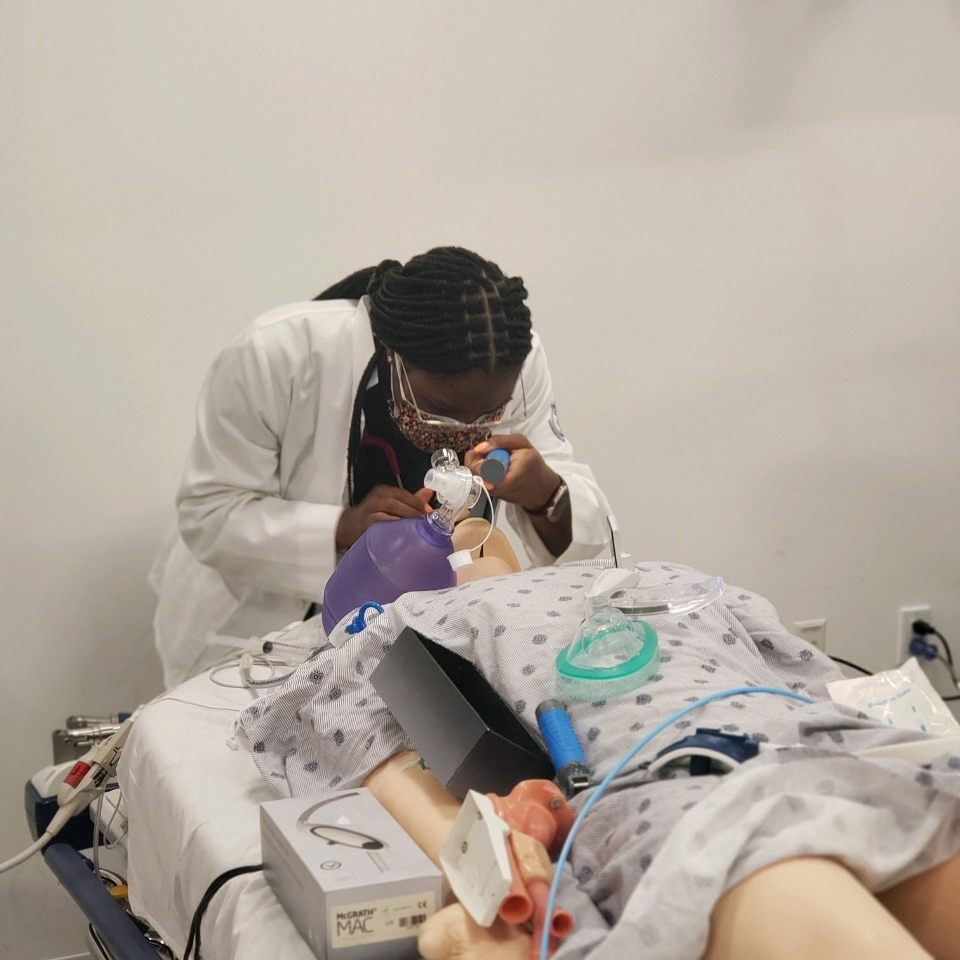
Looking ahead, White hopes not only to practice emergency medicine but also to pursue a fellowship in simulation. Her long-term goal is to teach clinical skills to medical students and residents, integrating health equity and cultural competence into hands-on training — just as she experienced at Morehouse.
“I want to teach the way Morehouse [School of Medicine] taught us,” she says. “So that ultimately, patients receive the best care possible.”
When she steps onto the stage on March 20 and opens her envelope, the moment will symbolize more than a residency placement. It will represent years of dedication, faith, family support and a commitment to serving communities that need compassionate, culturally responsive care.
For Domonique White, Match Day is not an ending. It is confirmation that she is exactly where she is meant to be — and ready for what comes next.

About the Author
Michael Martin is a content strategist who believes in crafting compelling stories that inspire and connect. With a pen for storytelling, he brings the journeys of students, faculty and staff to life, highlighting their impact and dedication to healthcare.
Contact
Michael Martin
Digital Content Strategist
Office of Marketing & Communications
mamartin@msm.edu