
A Commitment to Service, Representation and Healing: Edward Robinson’s Path to Neurosurgery
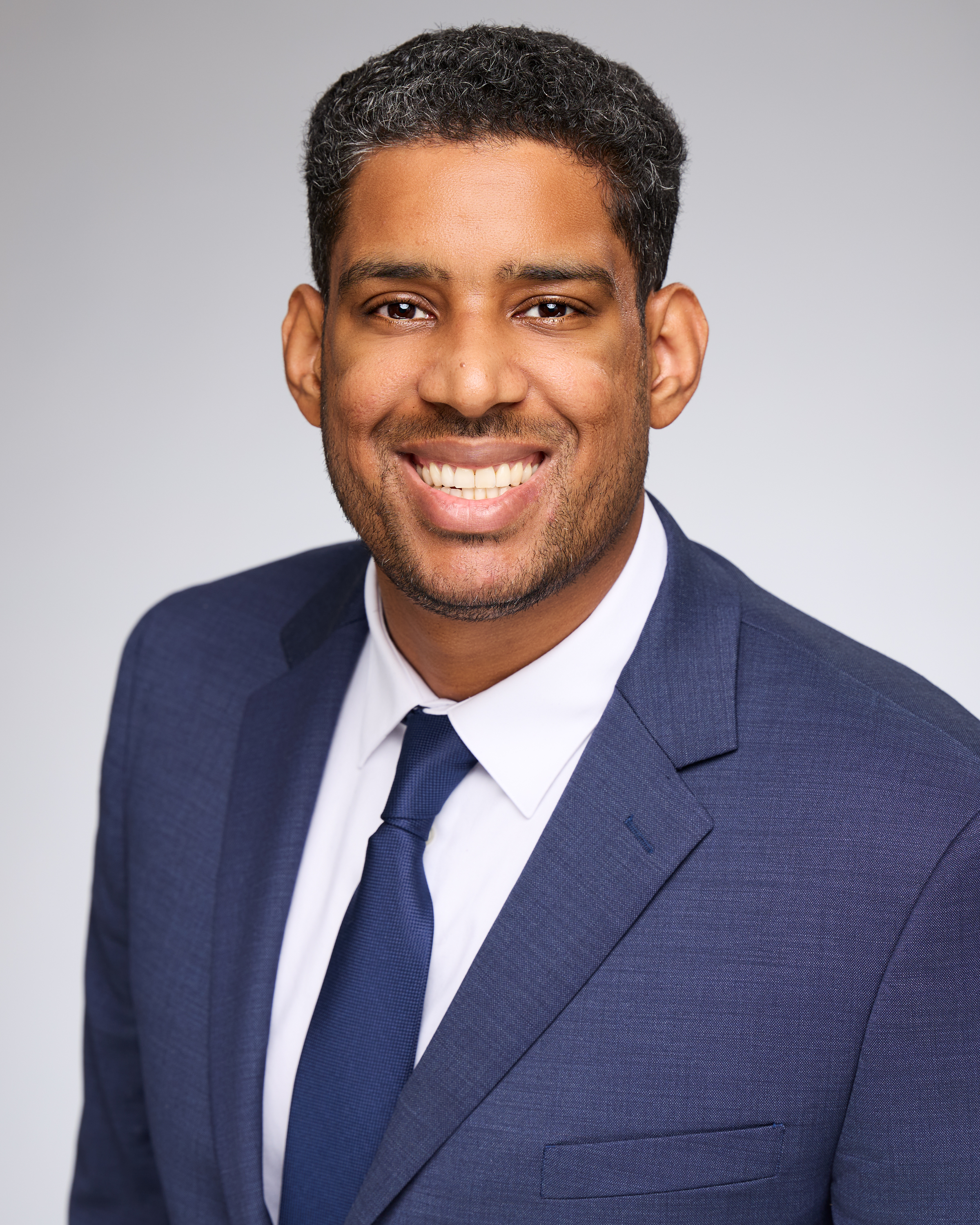 For Edward Robinson, medicine has always been about service.
Now, as a fourth-year medical student at Morehouse School of Medicine prepares to graduate and begin neurosurgery residency at the University of Tennessee Health Science Center in Memphis, he reflects on a path shaped by family, purpose and a commitment to helping patients feel seen — especially in their most vulnerable moments.
Robinson, who grew up in Italy in a military family, says his desire to pursue medicine was rooted in the examples set by his parents.
“My father was in the Army for 22 years, and my mother worked with immigrant rights centers and taught Italian to immigrants,” he says. “I come from a family of service. I was looking for something that aligned with that — something that felt natural to who I am.”
Though he had long been drawn to science, it was a deeply personal family experience that ultimately clarified his path.
When his grandmother became seriously ill from complications related to diabetes, Robinson witnessed the consequences of delayed care and the fear that can prevent people from seeking medical help.
“She didn’t really know how sick she was until it was too late,” he says. “A lot of it was fear of the medical system because of bad experiences she had when she was younger.”
That experience introduced him to a concept that would stay with him throughout his medical journey: iatrophobia — the fear of the healer.
“I wanted to enter that space to counter that,” Robinson says. “I wanted to be someone who could help rebuild trust and care for people in a way that made them feel safe.”
At Morehouse School of Medicine, Robinson found opportunities to turn that purpose into action.
One of his earliest defining experiences was founding the Morehouse School of Medicine chapter of Black Men in White Coats, an organization dedicated to increasing representation and support for Black men in medicine.
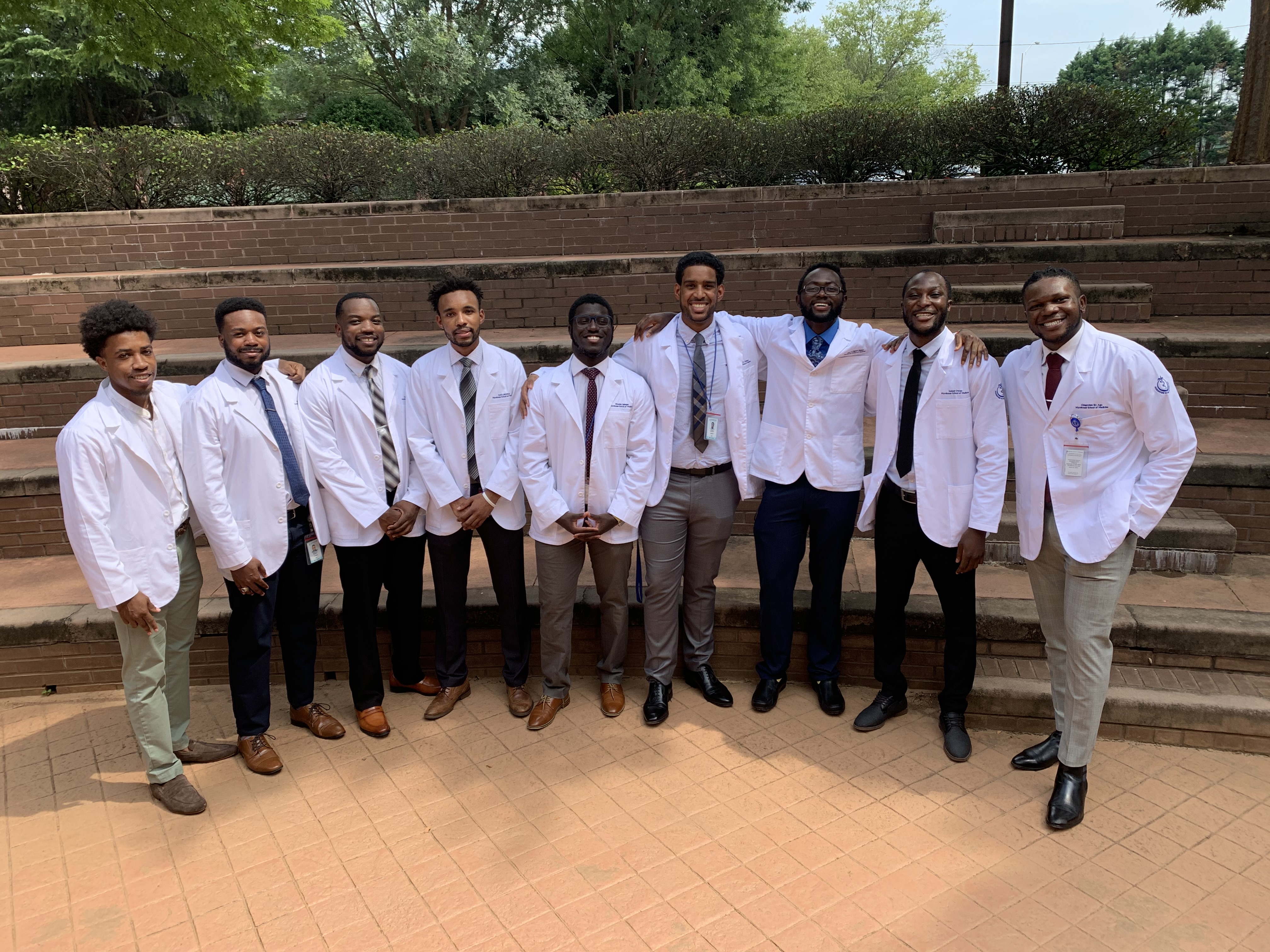
“Before medical school, I used to watch their videos and post them on Facebook because they inspired me,” he says. “To be able to come to Morehouse and create a chapter here felt like a way to give back.”
Together with classmates, Robinson built a space where students could openly discuss the challenges and triumphs of navigating medical school as Black scholars.
“I really wanted to create a space where we felt safe to share our experiences and support each other,” he says.
The organization has continued to grow, now entering its sixth year, and remains one of the accomplishments he is most proud of.
Another transformative experience came during his preclinical years, when he and his classmates partnered with a senior independent living community during the height of the COVID-19 pandemic.
The team provided education about the virus and vaccines and helped bring vaccination access directly to residents — many of whom were older adults from historically underserved communities on Atlanta’s west side.
“It was amazing to be able to impact them,” Robinson says. “They were so receptive, and it really taught me about the impact that representation has on patient care.”
That lesson only deepened during his clinical rotations.
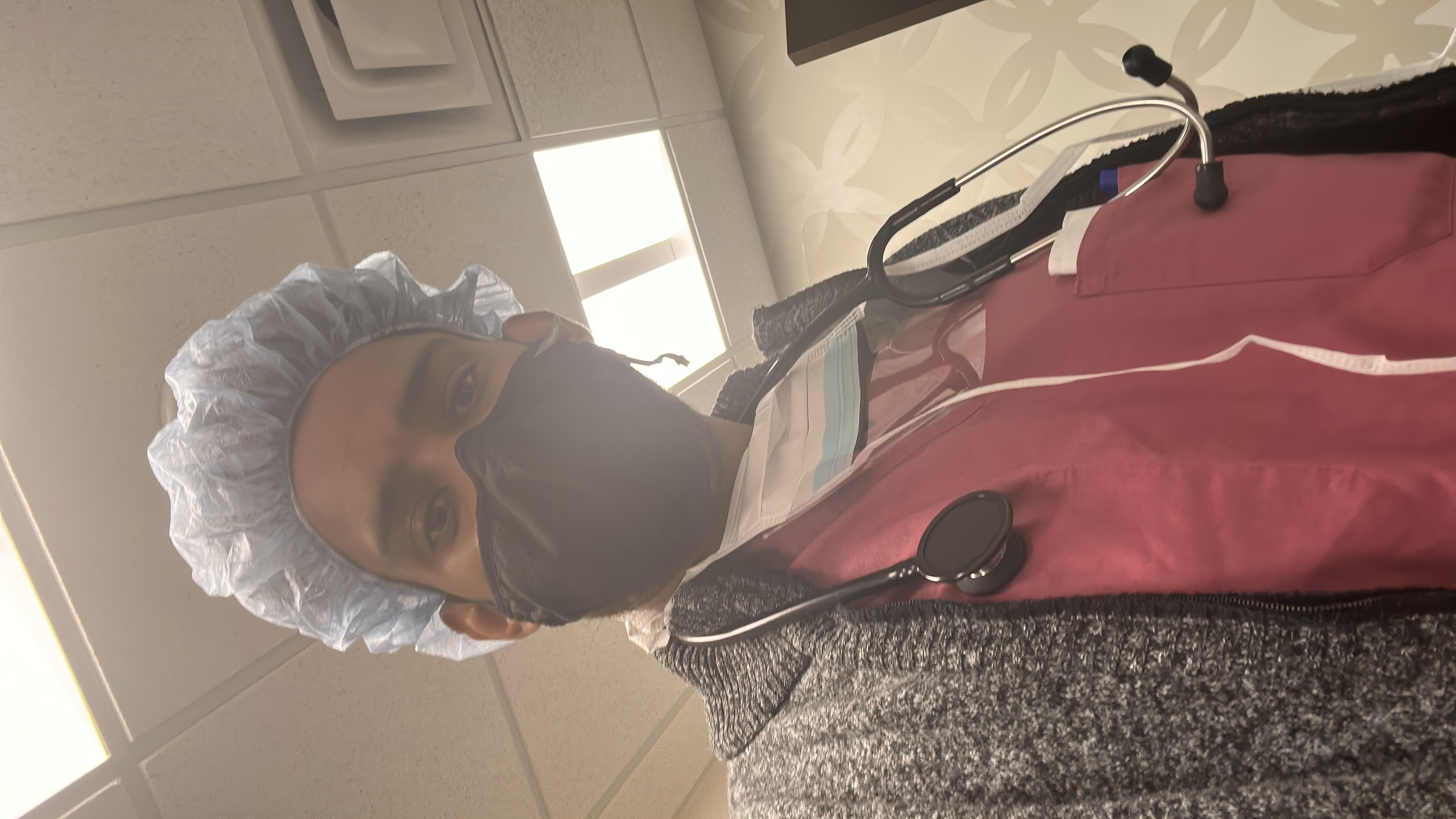
While rotating through neurosurgery, Robinson recalls standing alongside an all-Black care team preparing a patient whose visible symbols suggested beliefs very different from their own. In that moment, he says, everyone understood the assignment without speaking.
“At the end of the day, your duty is to provide the best care possible,” he says. “It reinforced for me that medicine is about compassion and professionalism, even when there are differences.”
In another defining moment, Robinson was present as a Black family received devastating news about a loved one suffering a catastrophic brain injury. Though he said little during the conversation, his presence alone made an impact.
 “They thanked me afterward just for being in the room,” he says. “I didn’t say anything,
but I think I gave them a sense of comfort they may not have otherwise felt.”
“They thanked me afterward just for being in the room,” he says. “I didn’t say anything,
but I think I gave them a sense of comfort they may not have otherwise felt.”
Experiences like these affirmed both his decision to become a physician and his belief in the importance of representation in neurosurgery.
“You’re often caring for the sickest and most vulnerable patients,” Robinson says. “Families are facing some of the hardest moments of their lives. If seeing someone who looks like them helps them feel safer, more understood or more validated, that matters.”
This year, Robinson matched into neurosurgery at the University of Tennessee Health Science Center in Memphis — one of the nation’s most competitive specialties and one where Black physicians remain significantly underrepresented.
He'll be just the second Black neurosurgery resident trained in the program since its creation in 1932.
“It’s an honor,” he says. “There are so many people who are just as capable and work just as hard but never get the same opportunity. I’m very aware of that privilege, and I feel a responsibility to give everything I have to this field.”
His decision to train in Memphis was intentional. The city’s large Black population and underserved communities aligned closely with the kind of impact he hopes to make as a physician.
“I wanted to go somewhere I could make a difference even during my training—not just after,” he says.
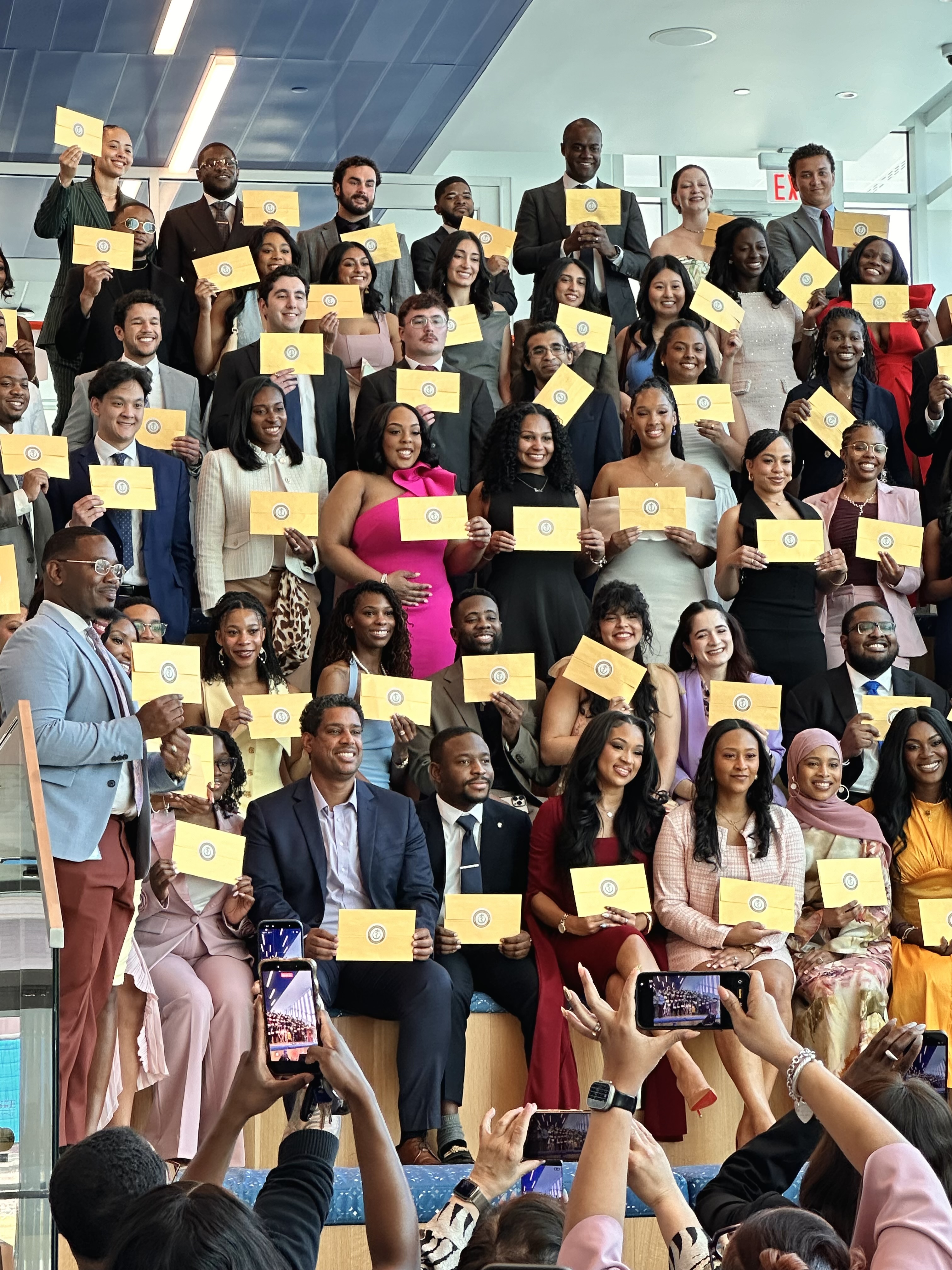
As commencement approaches, Robinson says walking across the stage represents far more than personal achievement.
“It’s the culmination of everyone who invested in me — my family, my mentors, my friends, my peers,” he says. “This moment is as much for them as it is for me.”
Looking ahead, he hopes to grow not only into an exceptional surgeon, but into a physician whose humility, competence and compassion remain at the center of his practice.
“All of the titles and accomplishments don’t matter if you can’t take care of patients properly or make them feel safe,” he says. “That’s the kind of surgeon I want to be.”
Beyond medicine, Robinson is equally committed to preserving the parts of himself that make him whole.
 “I want to be a great father, a great husband, a good friend and a community leader,”
he says. “Those parts of my identity ultimately help me provide better care.”
“I want to be a great father, a great husband, a good friend and a community leader,”
he says. “Those parts of my identity ultimately help me provide better care.”
For those following behind him — especially students navigating their own difficult path toward medicine — his advice is simple.
“You can’t do it alone,” he says. “Asking for help is okay. There will be setbacks, and this process will expose your limitations — but those are opportunities for growth. Fall in love with that process.”
As Morehouse School of Medicine prepares to celebrate the Class of 2026, Robinson’s journey reflects the power of service, representation and resilience — and a commitment to ensuring every patient feels seen, heard and cared for.
About the Author
Michael Martin is a content strategist who believes in crafting compelling stories that inspire and connect. With a pen for storytelling, he brings the journeys of students, faculty and staff to life, highlighting their impact and dedication to healthcare.
Contact
Michael Martin
Digital Content Strategist
Office of Marketing & Communications
mamartin@msm.edu